 Equipment Leasing
Equipment leasing lets a business use machinery, technology or other equipment owned by a leasing company and pay regular rentals instead of buying it. A 2019 International Finance Corporation (IFC) study found that, apart from Indian Railways’ dedicated financier, most leasing in India is operating leasing. The appeal is practical: you get the equipment you need without tying up cash. This guide explains how leasing works, the main lease types, accounting and tax points, and how to choose an equipment leasing company in India.
What Is Equipment Leasing?
In a lease, the lessor (the leasing company) owns the asset and the lessee (your business) uses it for an agreed term in exchange for rentals. India has no separate law for equipment leasing; leases are governed by contract law, so the written agreement carries real weight. Read the tenure, rentals, maintenance, insurance and end-of-term clauses carefully before signing.
Types of Equipment Leases in India
- Operating lease:The lessor keeps ownership. You use the equipment for a fixed term, then return, renew or sometimes buy it. It suits assets that age quickly or are needed for a defined period. See Finaegis’s operating lease.
- Finance lease:Payments over the term repay most or all of the asset’s cost, and ownership usually passes to the lessee at the end for a pre-agreed price. The IFC study calls it essentially a financing transaction dressed as a lease.
- Sale and leaseback:You sell equipment you already own to a lessor and lease it back, releasing capital while keeping the asset in use.
- Flexi rental:Rentals step up or step down across the term to match your cash flow.
How Equipment Leasing Works
- Define the need.Decide the asset, quantity and how long you will use it.
- Compare quotations.Check rentals, tenure, deposits, maintenance, insurance and end-of-term options.
- Complete assessment and documentation.The lessor reviews your business, and you sign the lease agreement.
- Take delivery.The lessor buys the asset from the supplier and delivers it. In a sale and leaseback, the lessor buys it from you.
- Pay rentals and maintain the assetas the agreement requires.
- Decide at term end.Return, renew, upgrade or buy, depending on the contract.
What Equipment Can You Lease?
Businesses lease:
- IT hardware such as laptops and servers
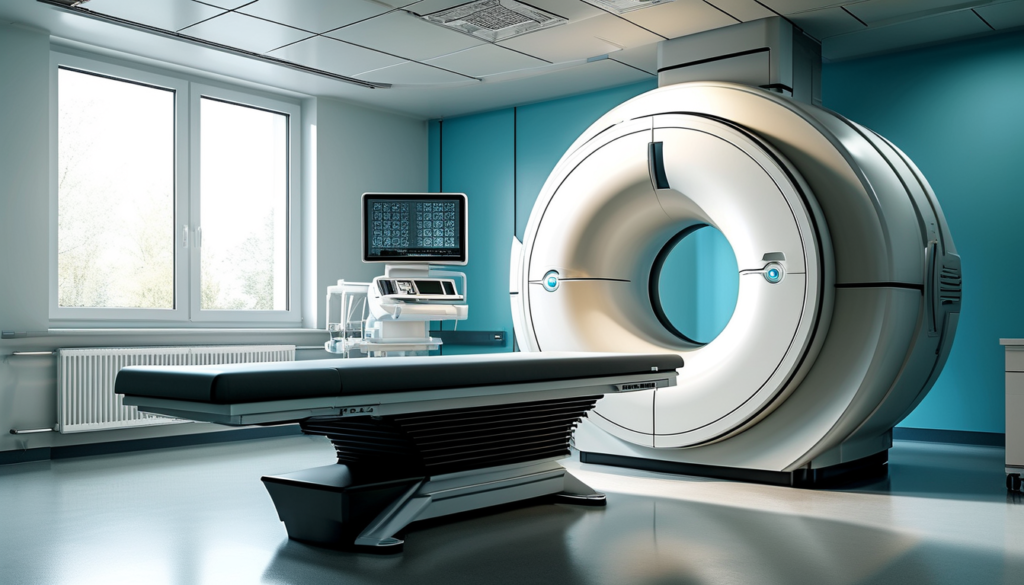
- Medical and diagnostic equipment
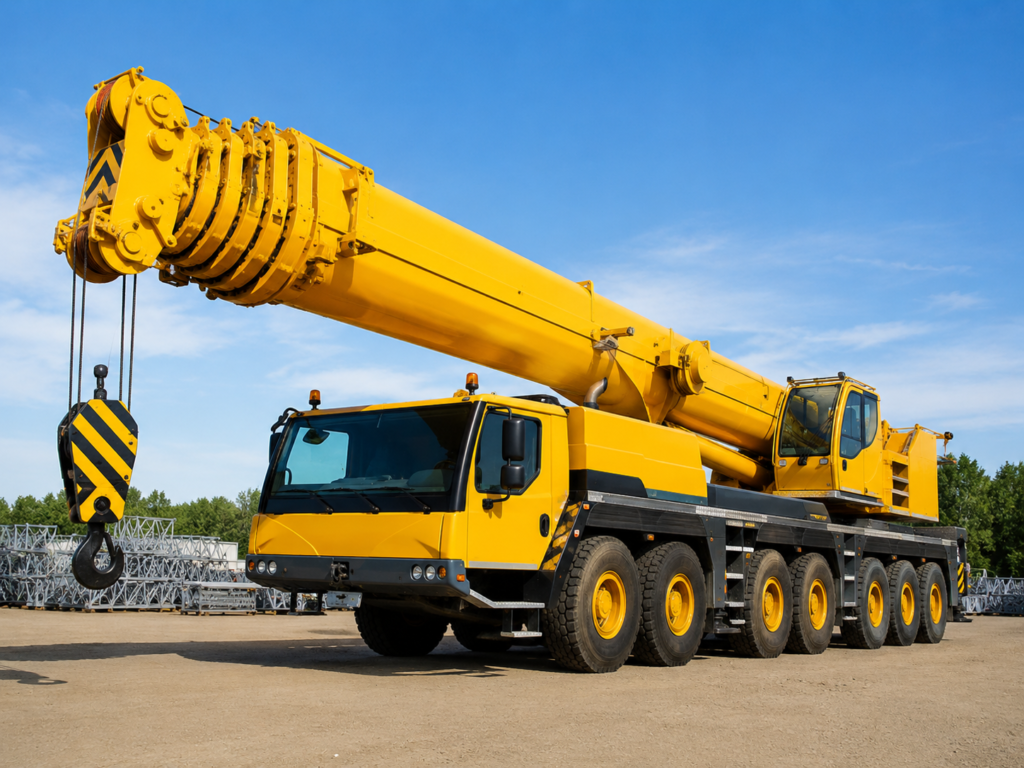
- Construction and material-handling machinery
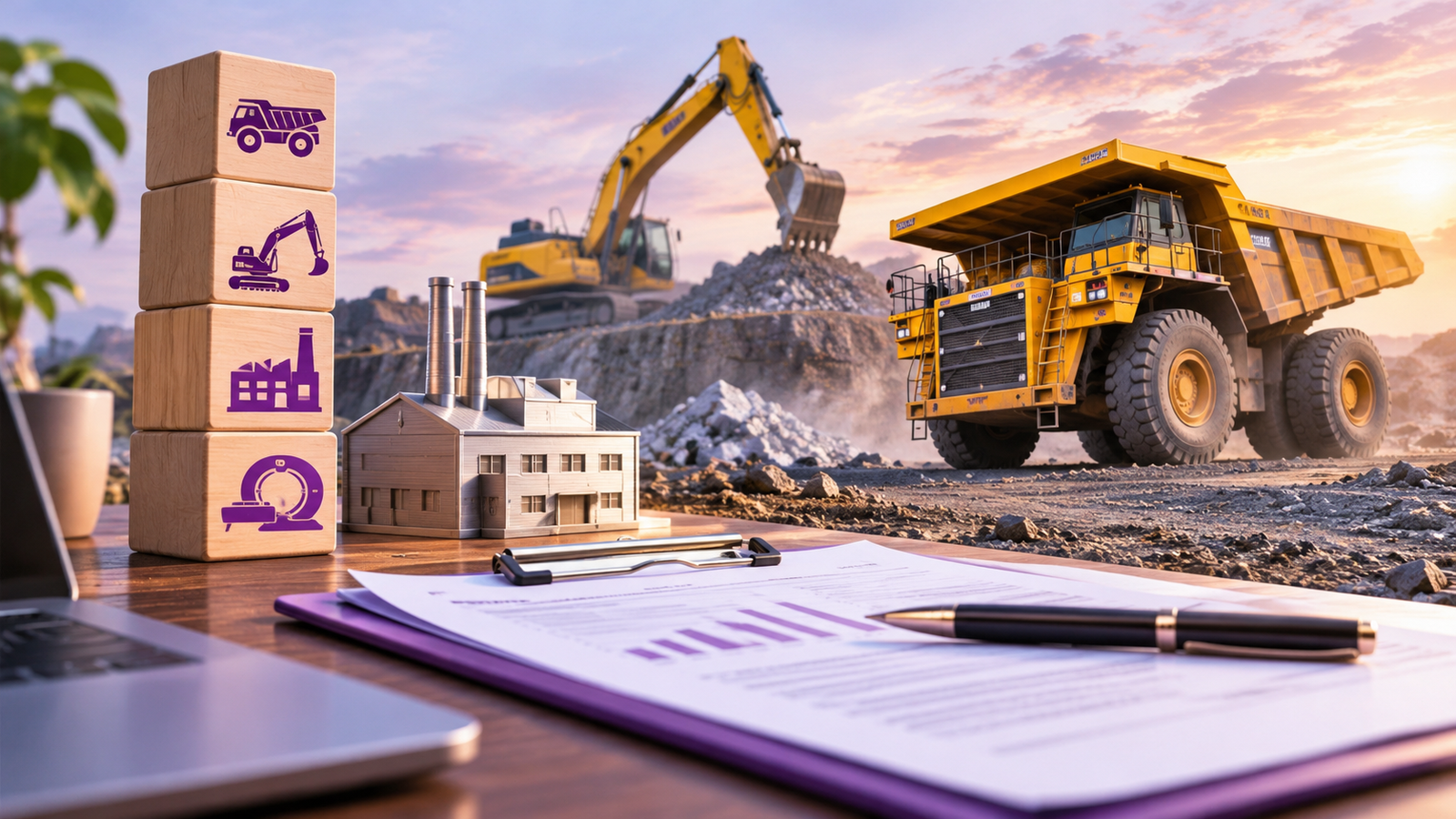
- Mining and heavy equipment
- Manufacturing and industrial machinery
- Office furniture and fit-outs
Finaegis works with construction, healthcare, manufacturing, infrastructure and mining businesses. Its asset page shows the categories it leases.
Leasing vs Buying: Which Fits Your Business?
| Factor | Leasing | Buying |
| Upfront cash | Usually lower | Higher |
| Ownership | Lessor (operating lease) | You |
| Upgrades | Easier at term end | You manage resale |
| Maintenance | Depends on the contract | Your responsibility |
Leasing is not always cheaper. If you will use an asset for its entire life and want to own it, buying or a loan may cost less over time. Compare the total cost across the full term, including end-of-term costs. Finaegis explains the main benefits on its why lease page.
Accounting and Tax Points to Check With Your CA
- Accounting:Ind AS 116, notified by the Ministry of Corporate Affairs (MCA) with effect from 1 April 2019, requires lessees to recognise a right-of-use asset and lease liability for most leases. It allows optional exemptions for short-term leases (12 months or less) and low-value assets. Companies outside Ind AS follow a different standard, so check which applies to you. Do not assume leasing keeps obligations off your balance sheet.
- GST:The IFC study explains that under the CGST Act an operating lease is a supply of services, while a finance lease with automatic transfer of title at the end is a supply of goods. Rentals attract GST, so confirm the current rate and input tax credit position with your CA.
- Income tax:Lessees can generally claim operating lease rentals as a business expense, but the treatment of finance leases has been contested. Take professional advice.
How to Choose an Equipment Leasing Company in India
- Relevant experience:Look for experience with your type of equipment and sector.
- Flexible structures:Operating lease, flexi rental and sale and leaseback let you match cash flow.
- Clear terms in writing:Rentals, tenure, deposits, insurance, maintenance and return conditions.
- Support beyond delivery:Ask about servicing coordination and disposal at term end.
- Verifiable credentials:Check the company’s records on the MCA portal. If it also offers finance leases or loans, check whether it appears on the RBI list of NBFCs.
- Local presence:Businesses in Kolkata and East India benefit from a lessor nearby. Finaegis has offices in Kolkata, Mumbai, Raipur and Ranchi.
FAQs
Is equipment leasing the same as renting?
Operating leases resemble rentals, but they usually run for a fixed term under a detailed agreement with defined end-of-term options.
Can small businesses lease equipment?
Yes, leasing can suit MSMEs. The IFC study found low awareness to be a major reason it is under-used. Eligibility depends on each lessor’s assessment.
What happens when the lease ends?
Depending on the agreement, you can return, renew, upgrade or buy the equipment.